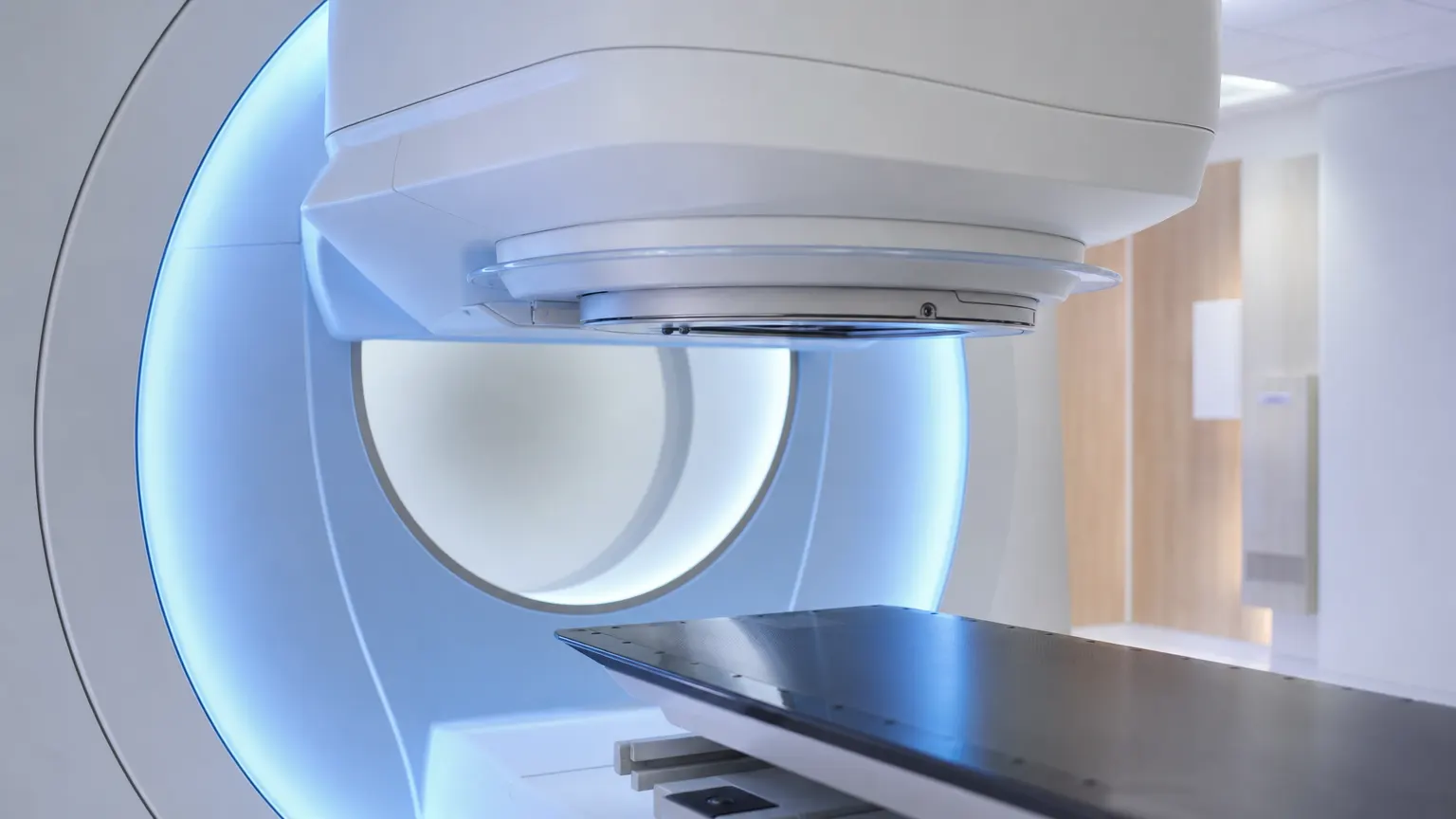
Who it is for
- Rectal cancer, where radiotherapy before surgery, or in suitable cases instead of it, is part of the plan
- Cancer that has come back in an area treated with radiotherapy before, where re-irradiation may be possible
- People having radiotherapy alongside chemotherapy, known as chemoradiotherapy
- People who need radiotherapy to ease a symptom such as pain or bleeding
What happens
ConsultationUsually one appointment
Dr Harinarayanan reviews your diagnosis, scans and any treatment so far, and explains whether radiotherapy is the right next step, on its own or with chemotherapy. You leave knowing what he recommends and why.
Planning
You have a CT scan in the treatment position, with small marks on the skin used to line you up the same way each day. The oncologist and physicists then build a plan that gives the tumour the full dose and the healthy tissue as little as possible.
TreatmentA short visit each weekday
Treatment is usually given on weekdays over a number of weeks, depending on the cancer. Each visit is short: the machine lines you up with pictures, then delivers the dose while you lie still. You feel nothing and go home afterwards.
Reviews during the course
You are seen regularly during treatment so that side effects are caught early and managed. Creams, mouthwashes, dietary advice and medicines are used as needed, and the plan can be adjusted.
After the course
Side effects often peak in the week or two after treatment ends and then settle. Follow-up scans are arranged at the right interval to see how the cancer has responded, and the results go to your surgeon or oncologist as well.
Good to know
- Side effects build up over the course and settle afterwards. They depend on the area treated: skin redness, tiredness, and bowel or bladder changes for pelvic treatment.
- Radiotherapy does not make you radioactive. You are safe to be around children and pregnant women throughout.
- Re-irradiation, treating an area a second time, is not always possible. It depends on what dose was given before, where and how long ago, and on what sits nearby.
- The machines belong to GenesisCare, who bill for the radiotherapy. Dr Harinarayanan plans and oversees your treatment and sees you during it, billing separately for his own fee.
- Radiotherapy is widely available on the NHS. Dr Harinarayanan is an NHS consultant and will tell you what the NHS can offer you as well as what he can offer privately.
What radiotherapy does
Radiotherapy uses high-energy X-rays to damage the DNA inside cancer cells so they cannot keep dividing. Healthy cells in the path of the beam are affected too, but they are better at repairing themselves. Giving the treatment in daily doses, and shaping it tightly, gives healthy tissue the best chance to recover while the cancer does not.
Dr Harinarayanan is a clinical oncologist, which in the UK means a cancer doctor trained in radiotherapy, chemotherapy, immunotherapy and other targeted anti-cancer treatment agents. He plans each course himself, with a team of physicists and radiographers, and he sees you during it.
IMRT and VMAT, explained
Older radiotherapy used simple square beams. The dose covered the tumour but also a good deal of what sat around it. Two techniques changed that.
IMRT stands for intensity-modulated radiotherapy. The machine delivers beams from several fixed angles, and within each beam it varies the strength across the field, a bit like a dimmer switch applied to hundreds of tiny segments. Added together, the beams wrap the full dose around the tumour and drop away quickly at its edge.
VMAT stands for volumetric modulated arc therapy. It does the same shaping while the machine rotates around you in a continuous arc, adjusting the beam as it goes. It is usually quicker, which means less time lying still.
Which is used depends on the area and on the plan that protects healthy tissue best. Both are standard tools in his work on rectal cancer, where the bowel and bladder sit close to the target.
Re-irradiation: treating an area a second time
Sometimes cancer comes back in a place that has already had radiotherapy. Healthy tissue keeps a memory of the earlier dose, so a second course needs particular care. This is called re-irradiation, and it is one of Dr Harinarayanan’s special interests, especially for rectal cancer that has returned in the pelvis.
Whether it is possible depends on what was given before, where, how long ago and what sits nearby. Precise techniques, IMRT, VMAT and SABR, make it an option in more cases than it once was. It is not an option in every case, and he will say so honestly.
What a course involves
The first step is a consultation at Spire Southampton. He reads your scans and history and explains whether radiotherapy is the right next step, on its own or with chemotherapy, and what course he recommends.
Then comes planning. You have a CT scan in the treatment position, with small marks on the skin used to line you up the same way each day. From that scan, the plan is built: the tumour and the organs to protect are outlined, and the beams are shaped to fit.
Treatment is usually given on weekdays over a number of weeks, depending on the cancer. Each visit is short. The machine takes pictures to line you up, then delivers the dose while you lie still. You feel nothing and go home afterwards. You are seen regularly during the course so side effects are caught early.
After the course ends, side effects often peak for a week or two and then settle. Follow-up scans are arranged at the right interval, and the results go to your surgeon or oncologist as well.
Side effects, honestly
Side effects depend on where the beam goes, and they build up over the course. Tiredness is common to all of it. Skin in the treated area can redden like sunburn. Pelvic treatment can bring looser or more frequent bowel motions and bladder irritation.
Most of these settle in the weeks after treatment. A few can last longer, and he will tell you which ones apply to you before you start. Radiotherapy does not make you radioactive; you are safe to be around anyone throughout.
For referring clinicians
Dr Harinarayanan accepts referrals for radical and palliative radiotherapy, chemoradiotherapy and re-irradiation, with particular expertise in rectal cancer, including organ-preserving approaches and recurrent pelvic disease. He is a core member of the regional lower GI MDT at University Hospital Southampton.
Please send a referral letter with diagnosis, stage, histology and treatment to date, the most recent imaging, any previous radiotherapy plan and dose, the MDT outcome, and the patient’s funding route. Letters and scans go to his secretary at Ann.Clay@uhs.nhs.uk, or use the referral form on the clinicians page. He aims to reply to referrals promptly.
Related treatments
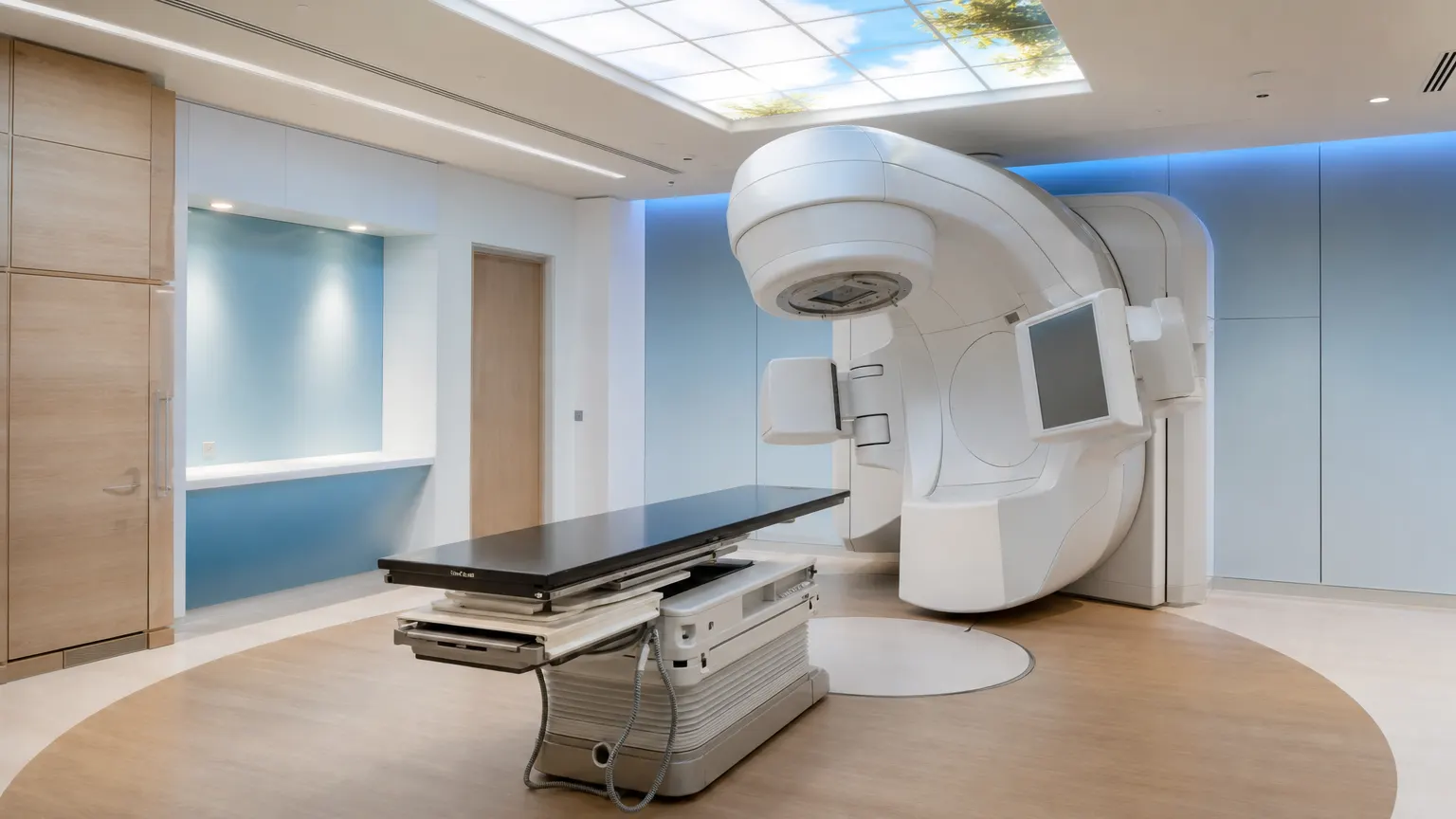
SABR, stereotactic ablative radiotherapy
SABR stands for stereotactic ablative radiotherapy: a short course of very precise, high-dose radiotherapy aimed at a small, well-defined tumour. It is an established treatment across the UK for small cancers and for cancer that has spread to a few places. Dr Harinarayanan uses CT-guided SABR at GenesisCare Southampton and MRI-guided SABR on the MR-Linac at GenesisCare's London, Guildford and Oxford centres.
Read more →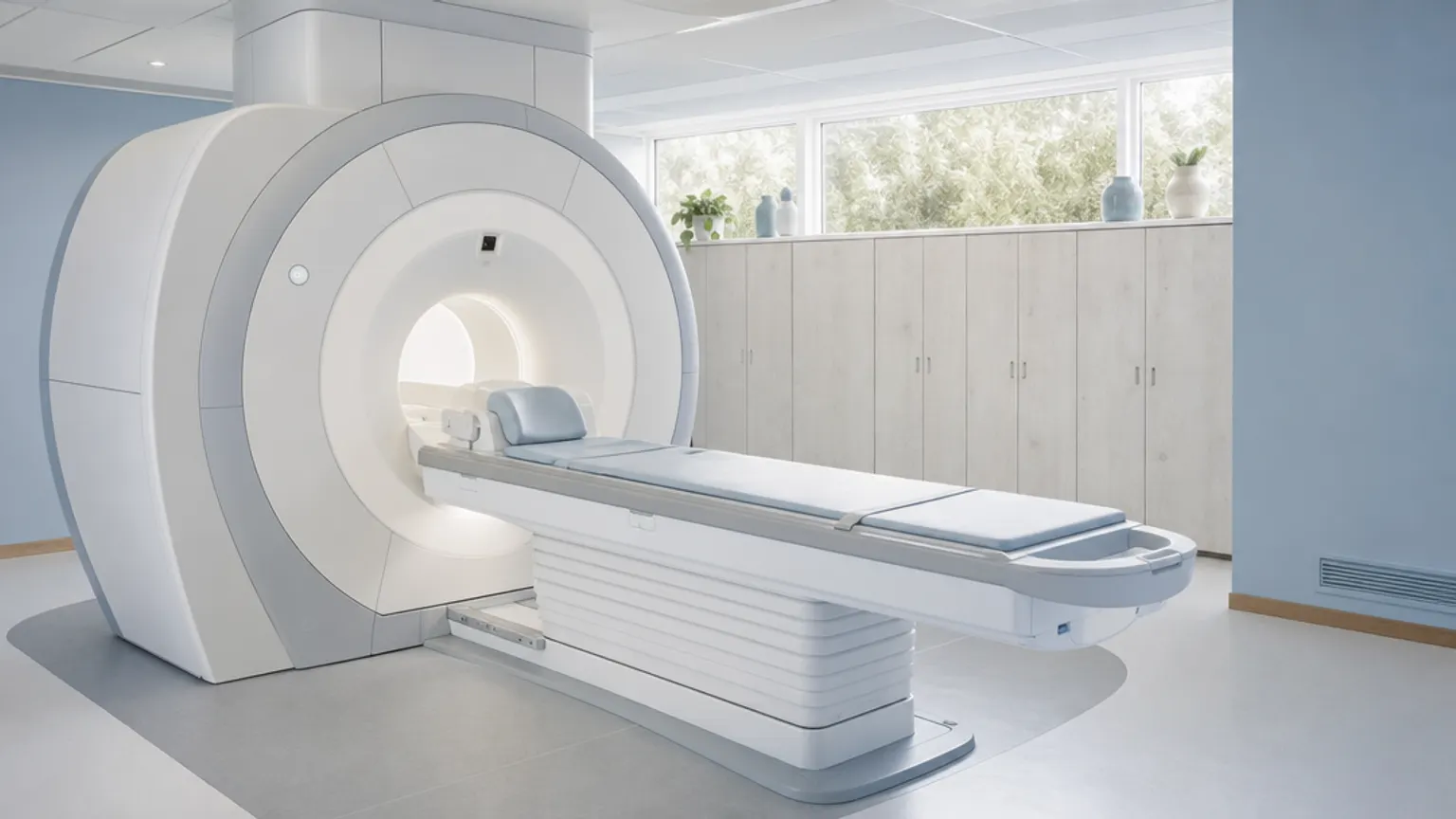
MR-Linac SABR
MR-Linac SABR is radiotherapy given on a machine with an MRI scanner built in. The scanner shows the tumour and the healthy tissue around it while you are being treated, so the dose can be aimed tightly and the plan adjusted for that day. Dr Sathish Harinarayanan is accredited by GenesisCare UK to deliver it and treats patients on the MR-Linac at three GenesisCare centres: London, Guildford and Oxford.
Read more →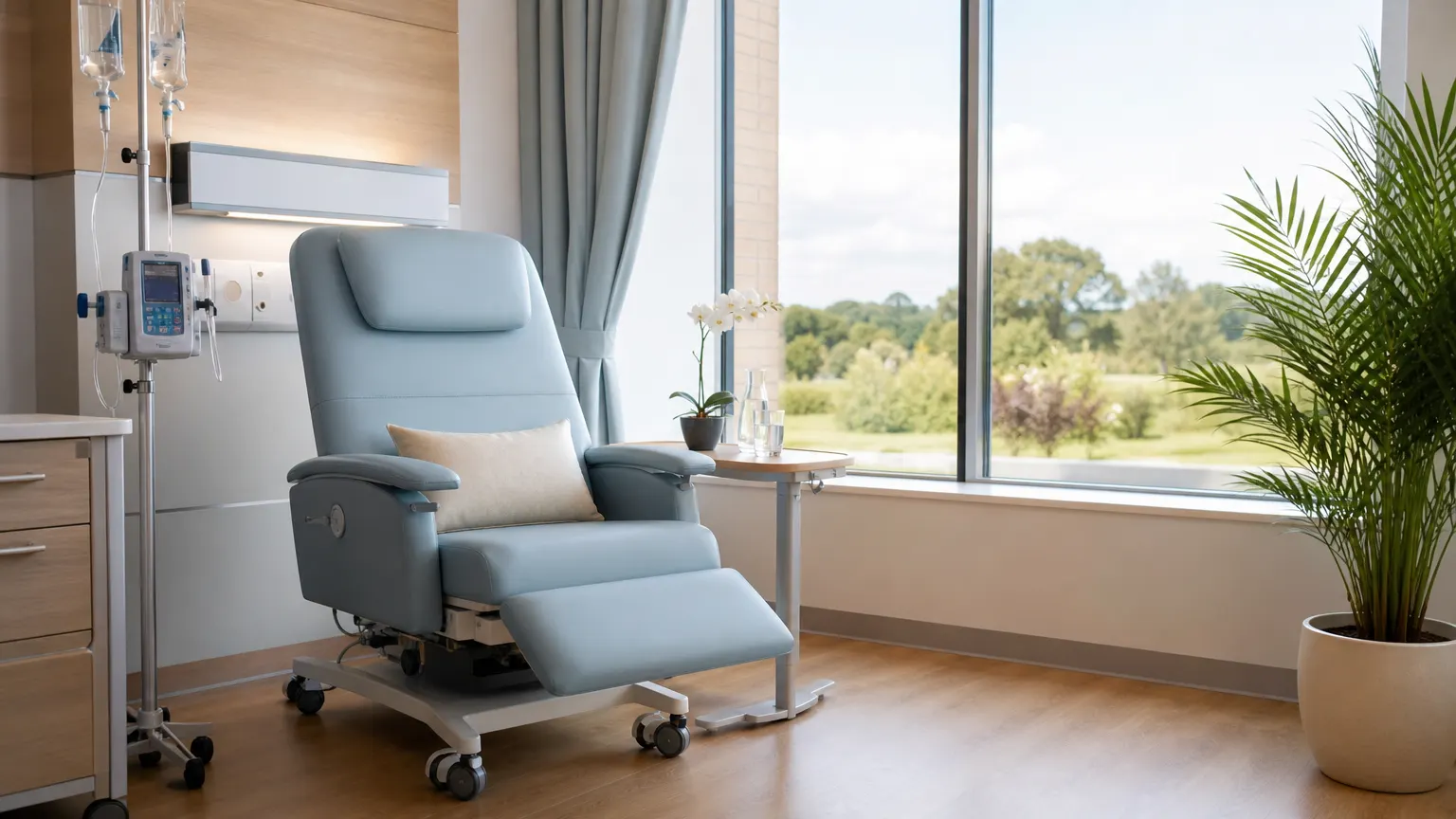
Chemotherapy and systemic therapy
Systemic therapy means treatment that travels through the whole body in the bloodstream, rather than being aimed at one spot. Chemotherapy is the best-known kind. Dr Harinarayanan plans chemotherapy and other drug treatments as a consultant clinical oncologist, and they are delivered privately at GenesisCare Southampton, on the same site as Spire Southampton Hospital.
Read more →Where it is delivered
Conditions this applies to
Common questions
What is the difference between IMRT and VMAT?
Both are ways of shaping the radiotherapy dose. IMRT, intensity-modulated radiotherapy, delivers beams from several fixed angles and varies the strength across each beam, so the dose wraps around the tumour. VMAT, volumetric modulated arc therapy, does the same while the machine rotates around you in an arc, which is usually quicker. Which is used depends on the area being treated and on the plan that protects healthy tissue best.
How long does a course of radiotherapy take?
It depends on the cancer and the aim of treatment. A curative course for rectal cancer is usually given on weekdays over a number of weeks; a shorter course may be used before surgery or to ease symptoms. Each visit is short. Dr Harinarayanan will tell you at your consultation what course he recommends and why, so you can plan work and family life around it.
Will I be radioactive after treatment?
You will not be radioactive after treatment. The radiotherapy described on this page is external beam treatment: the machine directs X-rays at you from outside, and nothing radioactive is put into your body. As soon as the machine switches off there is no radiation left. You are safe to hug your children and grandchildren, share a bed and be around anyone who is pregnant throughout the whole course of treatment.
Can I have radiotherapy again in the same place?
Sometimes. This is called re-irradiation, and Dr Harinarayanan has a special interest in it, particularly for rectal cancer that has come back in the pelvis. Healthy tissue keeps a memory of the earlier dose, so the decision depends on what was given before, where, how long ago and what sits nearby. Precise techniques such as IMRT, VMAT and SABR make it possible in more cases than in the past, but not in every case.
Where is private radiotherapy delivered?
At GenesisCare Southampton, which shares a site with Spire Southampton Hospital on Chalybeate Close, so consultations and treatment happen in the same place. Dr Harinarayanan plans and oversees your radiotherapy there and sees you during the course. For MRI-guided SABR on the MR-Linac, he treats at Cromwell Hospital in London, GenesisCare Guildford and GenesisCare Oxford; that treatment has its own page.
Can radiotherapy be given with chemotherapy?
Radiotherapy can be given with chemotherapy, and for some cancers it is the standard approach. This combination is called chemoradiotherapy. The drug makes cancer cells more sensitive to the radiation, so the two work harder together than either would alone. It is used for many rectal cancers. Side effects are greater than with radiotherapy alone, and Dr Harinarayanan will discuss whether the benefit is worth it in your case.