You may be reading this because
- You have just been told you have bowel cancer and want to understand the treatment being offered, and whether there are other options
- Your cancer is in the rectum and you have been told surgery would leave you with a permanent stoma
- Your bowel cancer has spread to the liver, lungs or lymph nodes and you have been told it is a few spots
- Your cancer has come back in the pelvis after earlier surgery or radiotherapy
- You want a second opinion from a bowel cancer specialist before you decide
What happens next
Send what you have
A message on WhatsApp or a call is enough to start. If you have a diagnosis letter, scan reports or a colonoscopy report, bring them or send them ahead. If your scans were done at another hospital, Dr Harinarayanan can usually arrange to see the images themselves, not just the report.
First consultation
At Spire Southampton, with a family member if you want one there. He reads your history and scans, explains what stage the cancer is at in plain words, and sets out the options and what each one is likely to involve. You leave with a clear next step.
A plan agreed with the team
Bowel cancer is treated by a team: surgeons, oncologists, radiologists and specialist nurses. He takes your case to the multidisciplinary team meeting, or MDT, where the plan is agreed together. If you already have an NHS team, he works alongside them rather than replacing them.
Treatment, and who does what
Radiotherapy, chemotherapy and immunotherapy are delivered at GenesisCare Southampton, on the same site as Spire Southampton. MR-Linac SABR is delivered at GenesisCare's London, Guildford or Oxford centres. Surgery is done by a colorectal surgeon he works with. He stays your oncologist throughout.
What bowel cancer is
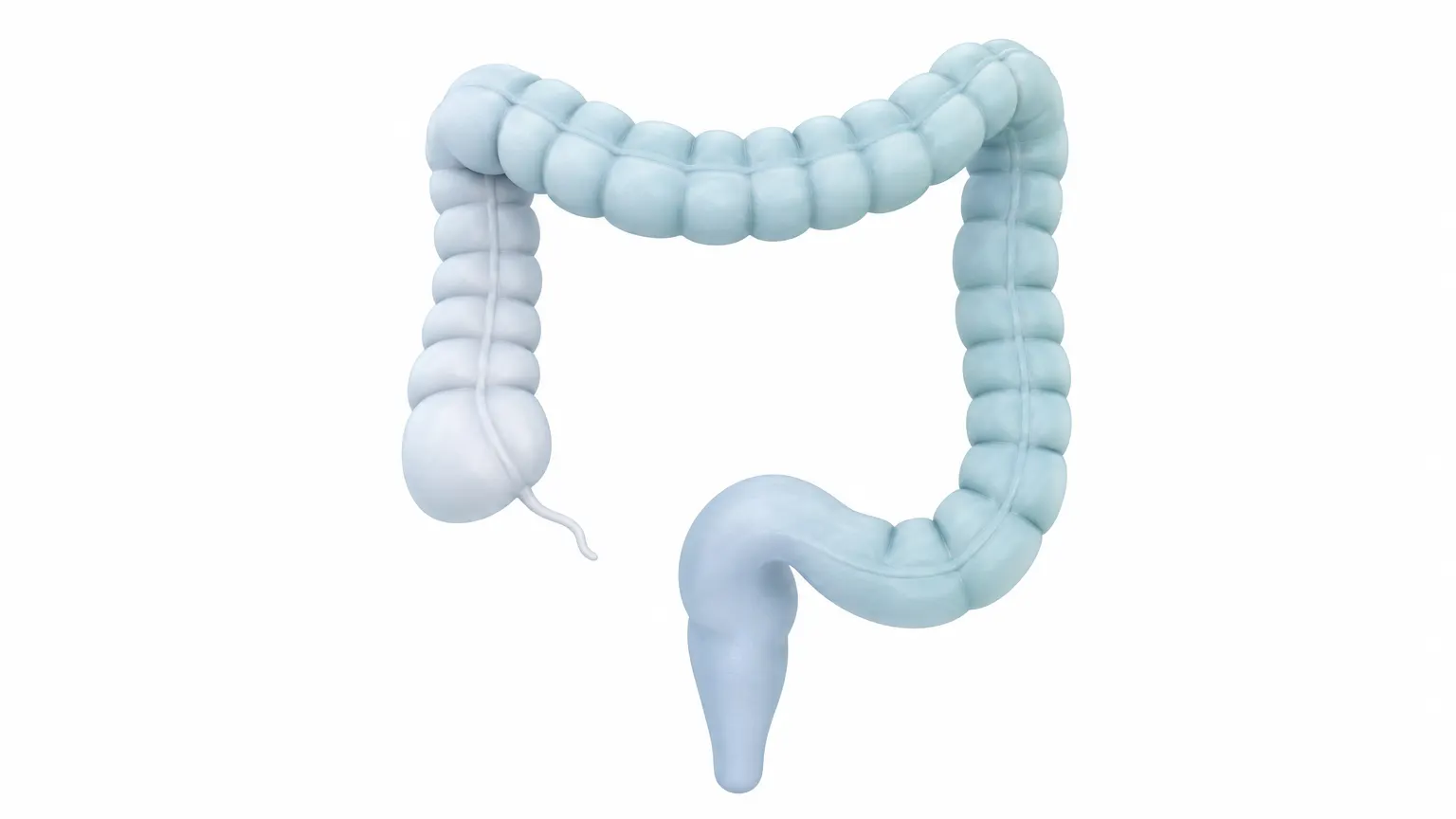
The large bowel has two parts. The colon is the long, looping section that absorbs water from what you eat. The rectum is the last part, a short, straight section just before the anus, sitting low in the pelvis. Cancer can start in either, and together they are called colorectal cancer or bowel cancer.
Where the cancer starts matters, because it changes the treatment. A cancer in the colon is usually removed by an operation, with chemotherapy afterwards for some people. A cancer in the rectum sits in a crowded space, close to the bladder, the nerves and the muscles that control the bowel, and radiotherapy often plays a part.
Staging describes how far the cancer has grown: whether it is still within the bowel wall, has reached nearby lymph nodes, or has spread further. Dr Harinarayanan will explain your stage in plain words at the first consultation.
How it is treated
Bowel cancer is treated by a team, not one doctor. Surgeons remove the cancer. Oncologists plan radiotherapy and drug treatment. Radiologists read the scans. Specialist nurses support you through it. The team meets regularly as a multidisciplinary team, or MDT, to agree each person’s plan. Dr Harinarayanan is a core member of the regional bowel cancer MDT at University Hospital Southampton.
As a clinical oncologist he is trained in both radiotherapy and drug treatment, so he can plan the whole course. Radiotherapy shrinks a rectal cancer before surgery, and in suitable cases may replace it. Chemotherapy is given after surgery when the stage makes that worthwhile, alongside radiotherapy for rectal cancer, and to control cancer that has spread. Immunotherapy helps a smaller group whose tumours carry a particular genetic feature; a test on the tumour shows whether that applies. Targeted drugs are used for some cancers that have spread, again depending on tests.
He will tell you plainly which of these apply to you and why, and which do not.
Rectal cancer and keeping your bowel
For a cancer low in the rectum, the traditional operation removes the rectum and the anus and leaves a permanent stoma: an opening on the tummy where a bag collects waste. It is life-saving surgery, and for many people it is the right choice. But it is a large change to live with.
Organ preservation is a different route for suitable patients. Radiotherapy, often with chemotherapy, is used to shrink the cancer. If it disappears completely on scans and examination, the operation may be avoided, with close watching instead. Dr Harinarayanan was principal investigator for APHRODITE, a completed national trial of organ-preserving radiotherapy in rectal cancer. It is not for everyone, and it has its own page on this site explaining who it may suit.
When bowel cancer has spread or come back
Bowel cancer that has spread to a small number of places, up to three or four, most often the liver, the lungs or lymph nodes, is called oligometastatic. “Oligo” means few. Rather than drug treatment alone, each spot may be treated directly, by surgery or by precise, high-dose radiotherapy called SABR. Dr Harinarayanan is accredited by GenesisCare UK to deliver MR-Linac SABR, the MRI-guided version, and treats patients on it at GenesisCare’s London, Guildford and Oxford centres.
Bowel cancer that has come back in the pelvis after surgery or radiotherapy is a particular interest. Treating an area that has had radiotherapy before is called re-irradiation, and it needs careful planning. He also has an interest in intra-operative radiotherapy, where a dose is given during the operation itself, for complex pelvic surgery.
What to expect from a consultation
Come with whatever you have: a diagnosis letter, scan reports, a colonoscopy report. Bring someone with you if you would like to. He reads your history and scans, explains where things stand and what the options are, and gives you his honest view of each. If you already have an NHS team, he works alongside them and will write to them if you wish. You leave knowing the next step. There is no pressure to decide on the day.
For referring clinicians
Dr Harinarayanan accepts referrals for colorectal cancer at any stage: neoadjuvant and adjuvant treatment, chemoradiotherapy, organ-preserving approaches for rectal cancer, oligometastatic disease for SABR or MR-Linac SABR, recurrent pelvic disease including re-irradiation, and second opinions. He is a core member of the regional lower GI MDT at University Hospital Southampton and a member of the British Association Colorectal Oncology Group.
Please send a referral letter with diagnosis, stage, histology and molecular results where available, treatment to date, the most recent imaging, any prior radiotherapy plan, the MDT outcome and the patient’s funding route. Letters and scans go to his secretary at Ann.Clay@uhs.nhs.uk, or use the referral form on the clinicians page. He aims to reply to referrals promptly.
How Dr Harinarayanan treats it
Precision radiotherapy, IMRT and VMAT
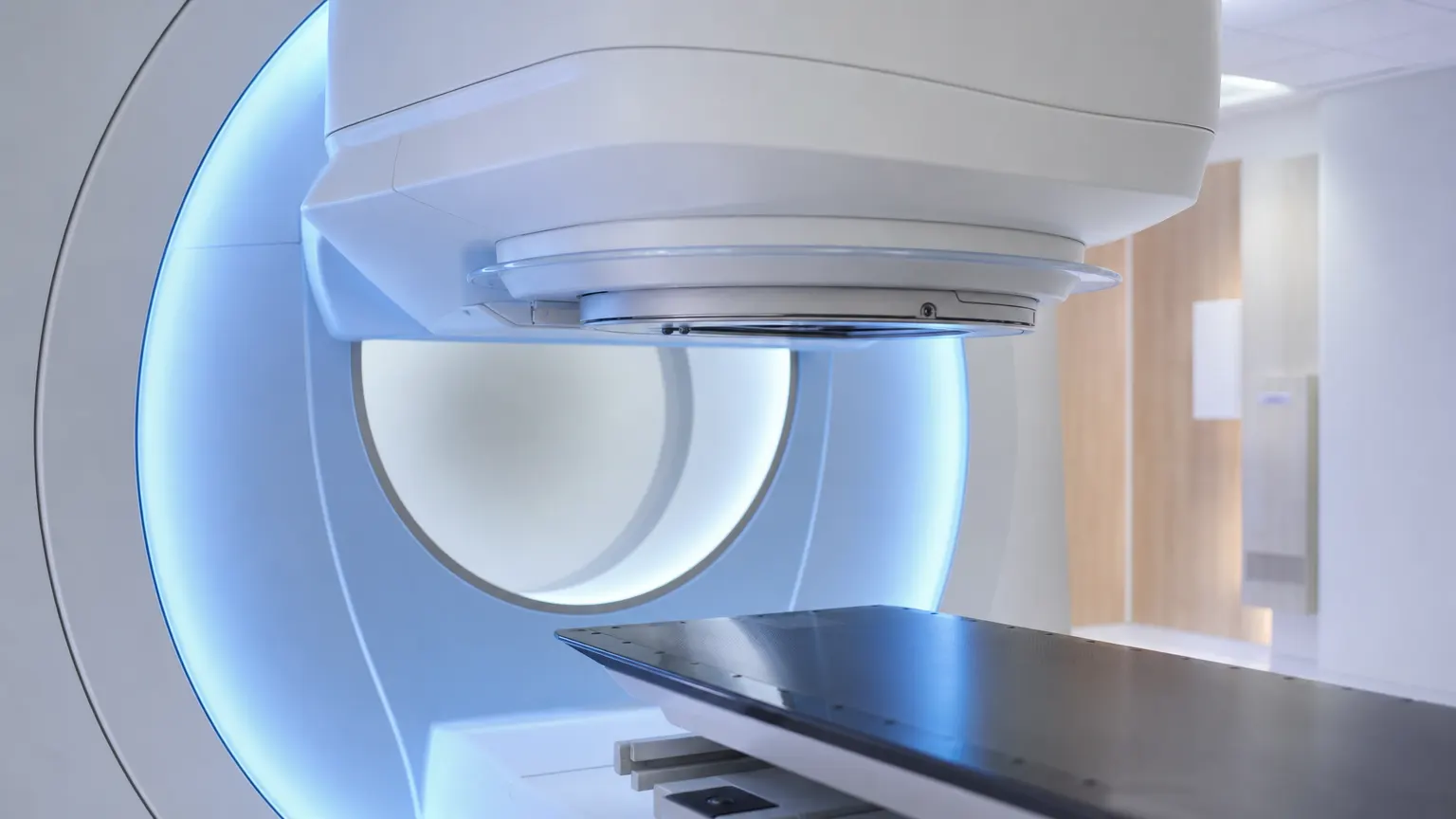
Radiotherapy uses carefully shaped beams of high-energy X-rays to damage cancer cells so they stop growing. Modern techniques such as IMRT and VMAT shape the dose to the tumour and spare what is around it. Dr Harinarayanan plans and oversees private radiotherapy at GenesisCare Southampton, on the same site as Spire Southampton Hospital, for bowel and rectal cancer and cancer that has come back after earlier treatment.
Read more →
Chemotherapy and systemic therapy
Systemic therapy means treatment that travels through the whole body in the bloodstream, rather than being aimed at one spot. Chemotherapy is the best-known kind. Dr Harinarayanan plans chemotherapy and other drug treatments as a consultant clinical oncologist, and they are delivered privately at GenesisCare Southampton, on the same site as Spire Southampton Hospital.
Read more →
Immunotherapy and targeted therapy
Immunotherapy helps your own immune system recognise and attack cancer cells. Targeted therapy blocks a specific fault inside cancer cells that helps them grow. Both are systemic therapies, meaning they travel through the bloodstream to reach cancer wherever it is. Dr Harinarayanan uses them for selected bowel cancers, guided by tests on the tumour, and they are delivered privately at GenesisCare Southampton.
Read more →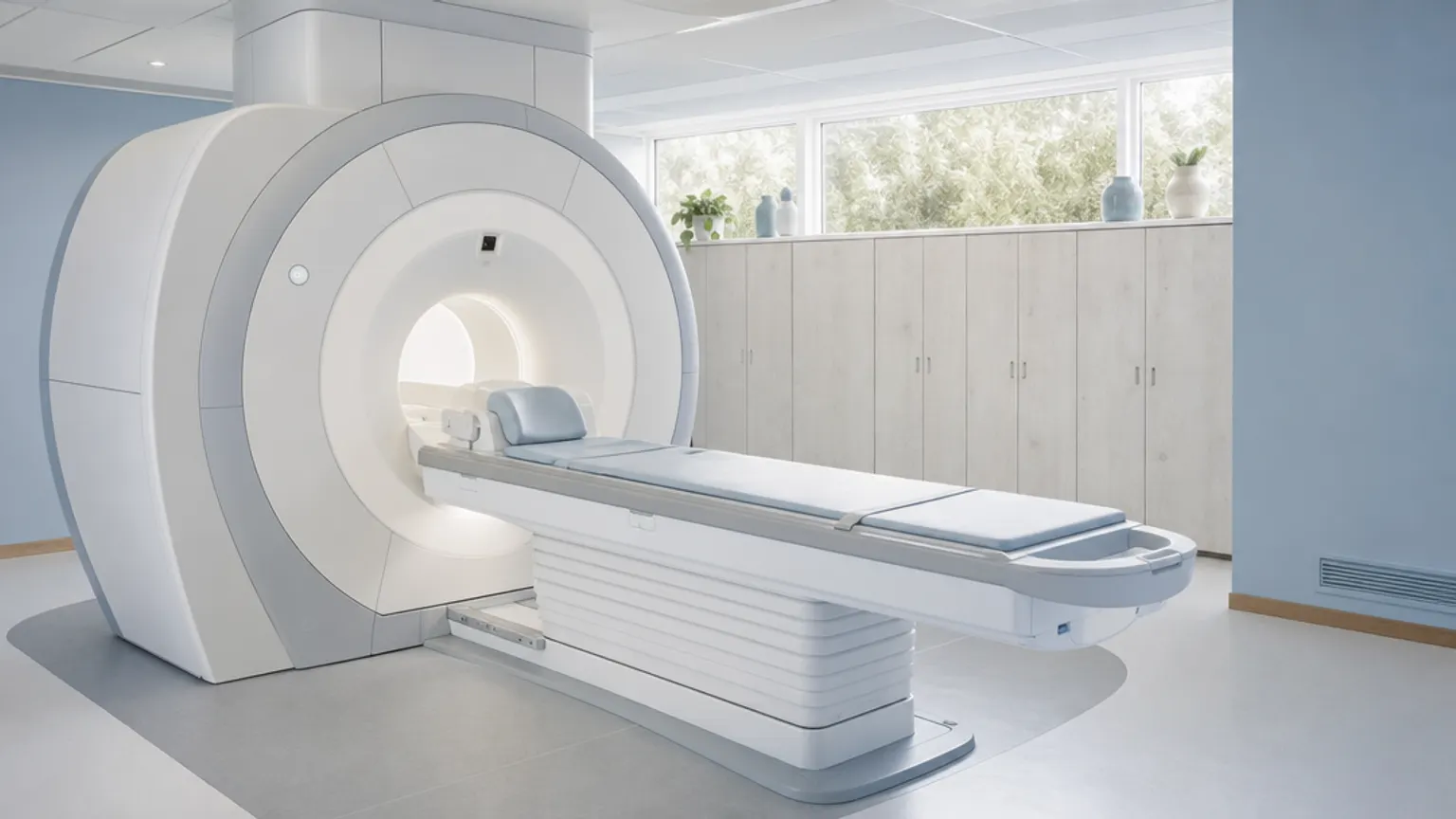
MR-Linac SABR
MR-Linac SABR is radiotherapy given on a machine with an MRI scanner built in. The scanner shows the tumour and the healthy tissue around it while you are being treated, so the dose can be aimed tightly and the plan adjusted for that day. Dr Sathish Harinarayanan is accredited by GenesisCare UK to deliver it and treats patients on the MR-Linac at three GenesisCare centres: London, Guildford and Oxford.
Read more →Conditions this applies to
Common questions
What is the difference between colon cancer and rectal cancer?
The colon is the long part of the large bowel; the rectum is the last section, just before the anus. Cancer in the colon is usually treated with surgery, with chemotherapy afterwards for some people. Cancer in the rectum sits in a tight space in the pelvis, close to the bladder, the nerves and the muscles that control the bowel, so radiotherapy often plays a part, before surgery or in suitable cases instead of it.
Will I need a stoma?
Not necessarily. It depends on where the cancer is, how big it is and how it responds to treatment. Many bowel operations do not need a stoma at all, and some need a temporary one that is later reversed. For rectal cancer low in the pelvis, where a permanent stoma has traditionally been the price of surgery, Dr Harinarayanan has a special interest in organ preservation: using radiotherapy to shrink the cancer so that, for suitable patients, the operation may be avoided.
My bowel cancer has spread to my liver. Can it still be treated?
Often, yes. When bowel cancer has spread to a small number of places, in the liver, lungs or lymph nodes, it is called oligometastatic, and each spot may be treated directly with surgery or with precise, high-dose radiotherapy called SABR, alongside or instead of drug treatment. Dr Harinarayanan is accredited to deliver MR-Linac SABR, the MRI-guided version. Whether it suits you depends on how many spots there are, where they sit and your general health.
Do I need to see a surgeon or an oncologist first?
Either is a good place to start, and the two work together. A surgeon decides whether and how to operate; an oncologist plans radiotherapy and drug treatment. For rectal cancer, and for cancer that has spread, an oncologist's view early on can change the order of treatment, for example by giving radiotherapy before surgery. Dr Harinarayanan will bring in a colorectal surgeon if one is needed and take your case to the team.
Can I have a second opinion if I am already being treated on the NHS?
A second opinion is possible even while you're being treated on the NHS. Many of Dr Harinarayanan's private patients come for one while under NHS care, and he is an NHS consultant himself, so he understands both sides. He will read your scans and history, tell you whether he agrees with the plan, and explain any alternatives, including ones the NHS can offer. He writes to your existing team with his view if you would like him to. It does not disrupt your current treatment.
Where would my treatment happen?
Consultations are at Spire Southampton Hospital. Radiotherapy, chemotherapy and immunotherapy are delivered at GenesisCare Southampton, on the same site as Spire Southampton, so most of your care is in one place. MR-Linac SABR, for cancer that has spread or come back, is delivered at Cromwell Hospital in London, GenesisCare Guildford or GenesisCare Oxford. Each site has its own page with directions.